What Is a Cinematic Universe? How Shared Film Worlds Work
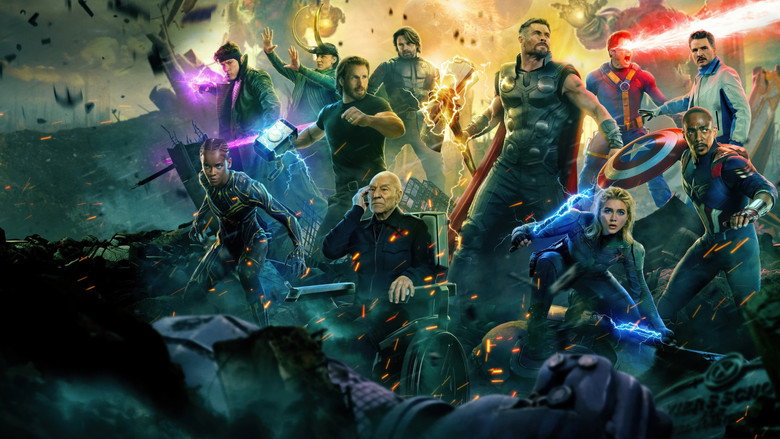
A few years ago, a film was just a film. Today, many big releases are chapters in a larger story, with post-credit scenes, cameo appearances and references to other films. That structure is called a cinematic universe, and it has changed how studios plan and how audiences watch.
What exactly is a cinematic universe?
It is a set of films, and often shows, that share the same fictional world, characters and continuity. Events in one film can affect the next, and characters can cross over. The key ingredient is a connected timeline that rewards you for following along.
Famous examples
- Marvel Cinematic Universe: the model most studios copy, with team-up films such as the Avengers series linking solo adventures.
- Star Wars: a long-running saga with films and series set in different eras of the same galaxy.
- The Conjuring Universe: horror films connected by real-life paranormal investigators.
- Dune: a more traditional multi-film adaptation of one story arc, with a defined start and end.
- Indian spy and cop universes: Hindi cinema has built interconnected action worlds around spies and police officers, with crossover cameos, which has made universe-building a major trend in Bollywood.
Why studios love them
A shared universe makes marketing easier, because every film promotes the others. It builds loyal audiences who show up for every release, and it protects against risk, because familiar characters are a safer bet than a new idea. Merchandise, games and streaming spin-offs add more income.
The downsides
- Homework fatigue: newcomers feel they need to watch ten films first.
- Quality dilution: setting up the next film can come at the cost of telling a satisfying story in the current one.
- Overexposure: too many releases in a short time wear out interest.
- Dependence on timelines: when one film flops or an actor leaves, the plan can fall apart.
Do you need to watch everything?
Usually no. Well-made entries can be understood alone and treat references as bonus material. If you are unsure, read a short recap of earlier films, or watch only the direct predecessors of the film you plan to see. Pages like those for upcoming films on PVR Info list cast and director so you can see how a film connects to earlier ones.
Universe vs sequel vs franchise
A sequel continues one story. A franchise is any repeating series, even if each film stands alone. A universe goes further: multiple characters and strands, with crossovers planned in advance.
What to watch for in future releases
Studios increasingly announce "phases" or "chapters" and release dates for several films at once. Watch for ending scenes that tease the next film, a standalone-friendly structure, and consistent creative leadership, which is usually a better sign of quality than the number of announced titles.
Key takeaways
A cinematic universe is a connected set of films that share one continuity. It benefits studios and loyal fans, but the best entries still tell a good story on their own.